drpreetichaudhary.com

Uncategorized

diabetic kidney disease treatment in bathinda
Uncategorized

diabetic kidney disease treatment in bathinda

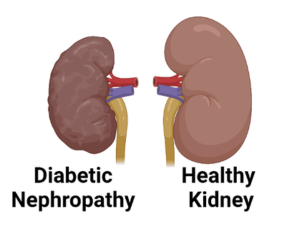
Diabetic kidney disease treatment in Bathinda Diabetic Kidney Disease Treatment in Bathinda: A Comprehensive Guide Introduction Diabetic kidney disease, also known as diabetic nephropathy, is a serious complication of diabetes that affects the kidneys’ ability to filter waste from the blood. As diabetes rates continue to rise globally and in Bathinda, it’s crucial for individuals to understand the importance of early diagnosis and effective treatment. This article explores the various aspects of diabetic kidney disease treatment in Bathinda, from understanding the condition to available treatment options and preventive measures. Understanding Diabetic Kidney Disease Diabetic kidney disease develops over time as a result of poorly controlled diabetes. High blood sugar levels can damage the blood vessels in the kidneys, leading to decreased kidney function. The progression of the disease can result in end-stage renal disease (ESRD), requiring dialysis or a kidney transplant. Explore more about the diabetic kidney disease treatment Symptoms and Diagnosis In the early stages, diabetic kidney disease may not present any symptoms. As the condition progresses, symptoms such as swelling in the legs, fatigue, frequent urination, and changes in urine color may occur. Regular monitoring through blood tests and urine analysis is essential for early diagnosis. The Importance of Early Treatment Early intervention in diabetic kidney disease is crucial for slowing its progression and improving outcomes. Moreover, effective management can prevent or delay the onset of end-stage renal disease. For residents of Bathinda, seeking specialized care for diabetic kidney disease treatment is essential to ensure the best possible outcomes. Diabetic Kidney Disease Treatment Options in Bathinda 1. Medication Management Medication plays a key role in managing diabetic kidney disease. The primary goals of medication are to control blood sugar levels, manage blood pressure, and reduce proteinuria (excess protein in urine). Commonly prescribed medications include: Angiotensin-Converting Enzyme (ACE) Inhibitors: These help lower blood pressure and reduce proteinuria. Angiotensin II Receptor Blockers (ARBs): These also lower blood pressure and protect kidney function. SGLT2 Inhibitors: These help control blood sugar levels and have been shown to have kidney-protective effects. 2. Lifestyle Modifications In addition to medication, lifestyle changes are vital in managing diabetic kidney disease. Key modifications include: Diet: A diet low in sodium, saturated fats, and processed foods can help manage blood pressure and blood sugar levels. Consulting a nutritionist in Bathinda can provide personalized dietary recommendations. Exercise: Regular physical activity helps control blood sugar levels and maintains overall health. Weight Management: Maintaining a healthy weight can reduce the risk of further complications. 3. Monitoring and Regular Check-Ups Regular check-ups with a nephrologist are crucial for monitoring kidney function and adjusting treatment as necessary. In Bathinda, specialized nephrologists can provide tailored treatment plans and ongoing support. 4. Advanced Treatments For advanced cases of diabetic kidney disease, more intensive treatments may be required, including: Dialysis: In cases of kidney failure, dialysis helps remove waste from the blood when the kidneys are no longer functioning effectively. Kidney Transplant: A kidney transplant may be considered for patients with end-stage renal disease who are eligible. Preventive Measures for Diabetic Kidney Disease Prevention is key to managing diabetic kidney disease effectively. Implementing the following measures can help reduce the risk: Blood Sugar Control: Maintaining optimal blood sugar levels through medication and lifestyle changes is crucial. Blood Pressure Management: Keeping blood pressure within the target range can prevent further kidney damage. Regular Health Screenings: Regular screenings for kidney function and other related complications are essential for early detection and management. Managing Kidney Health In addition to regular testing, maintaining kidney health involves adopting a healthy lifestyle: Healthy Diet: Eat a balanced diet rich in fruits, vegetables, whole grains, and lean proteins. Limit your intake of salt, sugar, and processed foods. Regular Exercise: Engage in regular physical activity to maintain a healthy weight and support overall health. Monitor Blood Pressure: Keep your blood pressure in check, as high blood pressure can damage your kidneys over time. Control Blood Sugar: If you have diabetes, managing your blood sugar levels is crucial for kidney health. Stay Hydrated: Drink adequate amounts of water to help your kidneys function properly. Avoid Smoking and Excessive Alcohol: These habits can adversely affect kidney health. Conclusion Diabetic kidney disease is a serious condition requiring timely and effective treatment to prevent progression and manage symptoms. In Bathinda, residents have access to a range of treatment options, including medication, lifestyle modifications, and advanced treatments. Early diagnosis, regular monitoring, and preventive measures are crucial in managing this condition effectively. For those seeking expert care, Bathinda offers specialized nephrologists and healthcare facilities dedicated to diabetic kidney disease treatment. By focusing on comprehensive care and adopting a proactive approach, patients can significantly improve their quality of life and manage their condition effectively. If you or a loved one is dealing with diabetic kidney disease, don’t hesitate to seek professional help. Contact a specialist in Bathinda today to explore your treatment options and take control of your health.
Uncategorized

kidney function test in bathinda

Kidney Function test in Bathinda Comprehensive Guide to Kidney Function Test in Bathinda Kidneys play a crucial role in maintaining overall health by filtering waste products and excess fluids from the blood, regulating blood pressure, and balancing electrolytes. Given their essential functions, monitoring kidney health is paramount, and one of the most effective ways to do this is through a kidney function test. If you’re looking for a comprehensive kidney function test in Bathinda, this guide will provide you with valuable insights on what to expect, why it’s important, and where to get the best services. What is a Kidney Function Test in Bathinda? A kidney function test, also known as renal function tests, measures how well your kidneys are working. These tests evaluate the levels of certain substances in the blood that are filtered by the kidneys, such as creatinine and urea. They also measure the glomerular filtration rate (GFR), which indicates how efficiently your kidneys are filtering blood. Why is a Kidney Function Test Important? Kidney function tests are vital for several reasons: Early Detection of Kidney Disease: Kidney function tests help detect kidney disease early, even before symptoms appear. This is crucial because early intervention can prevent further damage. Monitoring Chronic Conditions: If you have chronic conditions like diabetes or hypertension, regular kidney function tests can help monitor the impact of these conditions on your kidney health. Assessing Kidney Health: For individuals at risk or those experiencing symptoms of kidney problems, such as swelling, fatigue, or changes in urine output, a kidney function test can provide crucial information about kidney health. Guiding Treatment Decisions: For patients undergoing treatment for kidney disease, these tests help doctors evaluate the effectiveness of the treatment and make necessary adjustments. Types of Kidney Function Tests in Bathinda Several tests can assess kidney function. Some of the most common include: Serum Creatinine Test: This test measures the level of creatinine in the blood, a waste product generated by muscle metabolism. Elevated levels can indicate impaired kidney function. Blood Urea Nitrogen (BUN) Test: This measures the amount of urea nitrogen in the blood, another waste product filtered by the kidneys. High levels can suggest kidney dysfunction. Glomerular Filtration Rate (GFR): The GFR is a calculated value that indicates how well the kidneys are filtering blood. It is derived from the serum creatinine level, age, gender, and other factors. Urinalysis: This test analyzes a urine sample to detect abnormalities such as protein, blood, or glucose, which can signal kidney issues. Urine Albumin-to-Creatinine Ratio (UACR): This test measures the amount of albumin (a type of protein) in the urine, which can be an early indicator of kidney damage. Imaging Tests: In some cases, imaging tests like ultrasound or CT scans may be used to assess the structure and function of the kidneys. How is a Kidney Function Test Performed? A kidney function test typically involves a blood sample or a urine sample. Here’s a general overview of the process: Preparation: You may need to fast or avoid certain medications before the test. Your healthcare provider will provide specific instructions. Sample Collection: For blood tests, a needle will be inserted into a vein in your arm to collect a sample. For urine tests, you’ll be asked to provide a urine sample. Analysis: The samples are sent to a laboratory where they are analyzed for various indicators of kidney function. Results: Your healthcare provider will review the results and discuss them with you. They will interpret the findings and recommend any necessary follow-up or treatment. Interpreting Kidney Function Test Results Understanding kidney function test results can be complex. Here’s a brief overview of what the results might indicate: Normal Range: Results within the normal range typically indicate healthy kidney function. Elevated Creatinine or BUN Levels: High levels of creatinine or BUN can suggest impaired kidney function. Your doctor will evaluate these results in the context of your overall health and medical history. Low GFR: A low GFR indicates reduced kidney filtering capacity, which may be a sign of kidney disease. Abnormal Urinalysis: The presence of protein, blood, or other abnormalities in the urine can indicate kidney damage or disease. Preparing for a Kidney Function Test Preparation for a kidney function test can vary depending on the type of test and your individual health needs. Here are some general tips: Follow Instructions: Adhere to any specific instructions given by your healthcare provider, such as fasting or medication adjustments. Stay Hydrated: Drink plenty of water before the test, as dehydration can affect test results. Inform Your Doctor: Let your doctor know about any medications or supplements you are taking, as these can impact the results. Understand the Process: Familiarize yourself with the testing process to reduce any anxiety or discomfort. Managing Kidney Health In addition to regular testing, maintaining kidney health involves adopting a healthy lifestyle: Healthy Diet: Eat a balanced diet rich in fruits, vegetables, whole grains, and lean proteins. Limit your intake of salt, sugar, and processed foods. Regular Exercise: Engage in regular physical activity to maintain a healthy weight and support overall health. Monitor Blood Pressure: Keep your blood pressure in check, as high blood pressure can damage your kidneys over time. Control Blood Sugar: If you have diabetes, managing your blood sugar levels is crucial for kidney health. Stay Hydrated: Drink adequate amounts of water to help your kidneys function properly. Avoid Smoking and Excessive Alcohol: These habits can adversely affect kidney health. Conclusion A kidney function test is an essential tool for assessing kidney health and detecting potential issues early. In Bathinda, there are various options for undergoing these tests, from local hospitals and clinics to specialized nephrology centers. By understanding the importance of these tests, preparing adequately, and maintaining a healthy lifestyle, you can take proactive steps to protect your kidney health . If you’re in Bathinda and need a kidney function test, make sure to choose a reputable provider to ensure accurate and reliable results. Early detection and management can make a

Uncategorized

Renal Stone Treatment in Bathinda

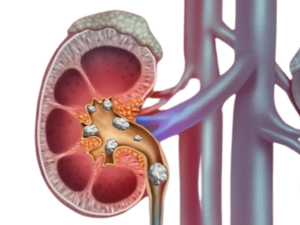
Renal Stone Treatment in Bathinda Renal Stone Treatment in Bathinda: Comprehensive Guide and Solutions Renal stones, also known as kidney stones, are a common health issue. They form when minerals and salts in the urine crystallize and create hard deposits in the kidneys. This condition can cause severe pain and other complications. In Bathinda, there are various treatments available for renal stones. This guide covers everything you need to know about renal stones, including their causes, symptoms, and treatment options. We’ll also explain why it’s important to seek Renal stone treatment in Bathinda. Understanding Renal Stones Renal stones, commonly known as kidney stones, form when minerals and salts crystallize in the kidneys. These stones can vary in size and composition. The primary types include: Calcium Stones: These are the most common and usually form from calcium oxalate . Uric Acid Stones: These stones are prevalent in individuals who do not drink enough water or consume a high-protein diet. Struvite Stones: Often related to infections, these stones can grow quickly and become quite large. Cystine Stones: These are rare and occur in people with a genetic disorder called cystinuria . Causes and Risk Factors Several factors can lead to the formation of renal stones: Dehydration: Lack of sufficient water intake can lead to concentrated urine, which encourages stone formation. Dietary Choices: High intake of salt, sugar, and protein can increase the risk of developing stones. Obesity: Excess body weight is linked to a higher likelihood of kidney stones. Genetic Predisposition: A family history of kidney stones can increase your risk. Identifying Symptoms of Renal Stones Renal stones can cause various symptoms, especially when they move through the urinary tract: Severe Pain: Sharp, cramping pain in the back and sides is a common symptom. Hematuria: Blood in the urine, which can appear pink, red, or brown. Nausea and Vomiting: Often accompanied by severe pain. Frequent Urination: A persistent urge to urinate, sometimes with pain. Foul-Smelling or Cloudy Urine: This can indicate an infection. Fever and Chills: Symptoms of an infection. Diagnostic Methods for Renal Stones In Bathinda, healthcare professionals use several diagnostic methods to detect renal stones: Imaging Tests: CT scans, ultrasounds, and X-rays can reveal the size and location of stones. Blood Tests: These tests can show high levels of minerals or other substances that cause stones. Urine Tests: A 24-hour urine collection can help identify the composition of the stones. Stone Analysis: If stones are passed, they can be analyzed to determine their type. Preventing Renal Stones Preventive measures can help reduce the risk of developing kidney stones: Stay Hydrated: Drink plenty of water throughout the day. Balanced Diet: Reduce intake of salt, sugar, and animal proteins. Limit Oxalate: Avoid foods high in oxalate, such as spinach and nuts. Healthy Weight: Maintain a healthy weight through diet and exercise. Why Bathinda for Renal Stone Treatment? Choosing Bathinda for renal stone treatment offers several advantages: Expert Medical Professionals: Bathinda boasts experienced nephrologists and urologists. Advanced Medical Facilities: State-of-the-art technology and equipment for diagnosis and treatment. Comprehensive Care: From diagnosis to treatment and post-care, patients receive thorough attention. Conclusion Renal stones are a common yet painful condition that requires timely diagnosis and appropriate treatment. In Bathinda, patients have access to expert care and advanced treatment options to effectively manage and treat renal stones. Whether it’s conservative management for small stones or surgical intervention for larger stones, the city’s healthcare providers are equipped to handle all aspects of renal stone treatment. By staying hydrated, making dietary changes, and consulting with a kidney specialist, individuals can prevent the recurrence of renal stones and maintain optimal kidney health. For those experiencing symptoms or diagnosed with renal stones, it’s crucial to seek professional medical advice. Contact a renal stone treatment specialist in Bathinda today to schedule an appointment and receive personalized care tailored to your needs.

Uncategorized

Kidney Specialist in Bathinda

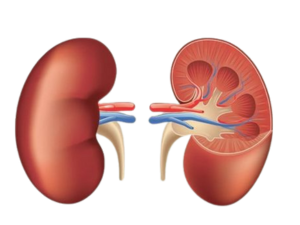
Kidney Specialist in Bathinda Kidney Specialist in Bathinda: Comprehensive Care for Kidney Health In the bustling city of Bathinda, access to specialized healthcare is crucial, particularly for managing kidney health. The kidneys play a vital role in filtering waste and excess fluids from the blood, maintaining a healthy balance of electrolytes, and regulating blood pressure. Given their essential functions, it’s important to consult a specialized nephrologist, a doctor with expertise in kidney care, when facing any kidney-related health issues. In this blog, we delve into the significance of kidney health, common kidney disorders, and why choosing the right kidney specialist in Bathinda can make a significant difference in treatment outcomes. Understanding Kidney Health The kidneys are bean-shaped organs located in the lower back, with each about the size of a fist. They are responsible for filtering around 120 to 150 quarts of blood daily, producing 1 to 2 quarts of urine. The kidneys also help regulate blood pressure, control red blood cell production, and maintain strong bones by managing calcium and phosphorus levels. Kidney diseases can be silent killers; many people may not experience symptoms until the condition is advanced. Therefore, regular check-ups and timely consultations with a kidney specialist in Bathinda are vital for early detection and effective management. Common Kidney Diseases and Conditions Chronic Kidney Disease (CKD) : Chronic Kidney Disease is a long-term condition characterized by a gradual loss of kidney function. It can progress to end-stage renal disease (ESRD), where dialysis or a kidney transplant becomes necessary. Symptoms may include fatigue, swelling in the legs, and high blood pressure. A kidney specialist in Bathinda can help manage CKD through medication, diet changes, and regular monitoring. Acute Kidney Injury (AKI)Acute Kidney Injury is a sudden loss of kidney function, often due to an injury, severe infection, or adverse reaction to medications. It requires immediate medical attention. AKI can be reversible if treated promptly. A kidney specialist in Bathinda can provide the necessary care to restore kidney function. Kidney StonesKidney stones are hard deposits of minerals and salts that form in the kidneys. They can cause severe pain, nausea, and difficulty urinating. Treatment may include medication, dietary changes, or procedures to remove or break down the stones. Consulting a kidney specialist in Bathinda can ensure the most appropriate and effective treatment. GlomerulonephritisThis condition involves inflammation of the tiny filters in the kidneys (glomeruli). It can occur due to infections, autoimmune diseases, or other conditions. Symptoms may include blood in the urine, swelling, and high blood pressure. A kidney specialist in Bathinda can diagnose and manage this condition to prevent further kidney damage. Polycystic Kidney Disease (PKD)PKD is a genetic disorder characterized by the growth of numerous cysts in the kidneys. These cysts can lead to enlarged kidneys and impaired kidney function. A kidney specialist in Bathinda can offer genetic counseling, regular monitoring, and treatment options to manage symptoms. Why Choose a Kidney Specialist in Bathinda? Selecting the right healthcare provider is crucial for effective treatment and management of kidney diseases. Here are some reasons to consider a specialized nephrologist in Bathinda: Expertise and ExperienceMBBS- Pt BD sharma PGIMS Rohtak (Haryana)MD Medicine- Pt BD sharma PGIMS Rohtak (Haryana) DM Nephrology- RML Hospital, New Delhi (Gold Medalist)Member of Indian society of nephrology (ISN) Member of Association of vascular access and interventional renal physicians of India (AVATAR) Comprehensive Diagnostic ServicesNephrologists in Bathinda offer comprehensive diagnostic services, including blood tests, urine tests, imaging studies, and kidney biopsies. These tests help in accurately diagnosing kidney conditions and tailoring treatment plans. Personalized Treatment PlansKidney specialists in Bathinda create personalized treatment plans based on your specific condition, medical history, and lifestyle. They provide guidance on diet, exercise, medication, and other lifestyle changes to manage your condition effectively. Access to Advanced TreatmentsBathinda is home to several advanced medical facilities, offering treatments such as dialysis, kidney transplant evaluation, and minimally invasive procedures for kidney stones. A kidney specialist in Bathinda can connect you with these resources and provide continuous care throughout your treatment journey. Patient-Centered CareNephrologists in Bathinda prioritize patient-centered care, focusing on clear communication, compassionate support, and patient education. They work closely with you to understand your concerns, explain treatment options, and involve you in decision-making processes. The Role of Diet and Lifestyle in Kidney Health Maintaining kidney health involves more than just medical treatments. A healthy diet and lifestyle play a crucial role in preventing and managing kidney diseases. Here are some tips: Stay Hydrated Drinking plenty of water helps your kidneys filter waste and toxins from your blood. It also prevents kidney stones and urinary tract infections. Eat a Balanced Diet A diet low in sodium, refined sugars, and unhealthy fats can help maintain healthy blood pressure and reduce the risk of kidney disease. Include plenty of fruits, vegetables, whole grains, and lean proteins in your diet. Monitor Blood Pressure and Blood Sugar Levels High blood pressure and diabetes are major risk factors for kidney disease. Regular monitoring and managing these conditions with the help of a healthcare provider can prevent kidney damage. Avoid Smoking and Excessive Alcohol Consumption Smoking and excessive alcohol intake can damage the kidneys and exacerbate existing conditions. Quitting smoking and limiting alcohol can significantly improve kidney health. Regular Exercise Regular physical activity helps maintain a healthy weight, reduces blood pressure, and improves overall well-being. Aim for at least 30 minutes of moderate exercise most days of the week. When to See a Kidney Specialist in Bathinda It’s important to seek medical attention if you experience any symptoms that may indicate a kidney problem. These symptoms include: Persistent fatigue Swelling in the ankles, feet, or hands Changes in urination patterns (frequency, color, or smell) Blood in the urine Pain in the lower back or side Unexplained high blood pressure Early detection and treatment can prevent the progression of kidney disease and improve your quality of life. Conclusion Kidney health is a critical aspect of overall well-being, and consulting a kidney specialist in Bathinda can provide the expertise and care

Uncategorized

Best Nephrologist in Bathinda

Best Nephrologist in Bathinda Finding the Best Nephrologist in Bathinda: A Comprehensive Guide Diabetic nephropathy is a serious kidney-related complication of diabetes, characterized by damage to the kidneys due to prolonged high blood sugar levels. In Bathinda, managing diabetic nephropathy involves a multi-disciplinary approach that includes lifestyle modifications, medical management, and advanced treatments. This guide provides an in-depth look at diabetic nephropathy, its impact, and the range of treatment options available in Bathinda to manage and mitigate the condition. Best Nephrologist in Bathinda Dr. Preeti Chaudhary is a highly skilled and compassionate nephrologist dedicated to providing exceptional care for patients with kidney diseases. With over 5 years of experience, Dr. Preeti Chaudhary has a proven track record of diagnosing and managing a wide range of kidney conditions, including hypertensive Kidney disease , kidney stone, Hemodialysis, etc. Our practice is committed to offering personalized treatment plans tailored to each patient’s unique needs. We believe in building strong patient relationships based on trust, empathy, and open communication. Our goal is to improve the quality of life for our patients through advanced medical care and education. Expertise and Services Dr. Preeti Chaudhary  in Bathinda is a beacon of excellence in nephrology, offering a comprehensive range of services. His areas of expertise include: Chronic Kidney Disease (CKD) Management: Chronic kidney disease requires ongoing management and monitoring. Dr. Preeti Chaudhary excels in creating personalized treatment plans to manage CKD effectively, aiming to slow disease progression and enhance patients’ quality of life. Dialysis: Dr. Preeti Chaudhary  is equipped with advanced facilities for dialysis , including both hemodialysis and peritoneal dialysis. His experience in managing dialysis treatments ensures that patients receive the best care possible, with a focus on minimizing complications and improving outcomes. Kidney Transplantation: With extensive experience in kidney transplantation, Dr. Preeti Chaudhary provides thorough pre-transplant evaluations and post-transplant care. His approach emphasizes meticulous planning and ongoing support to ensure successful transplant outcomes and long-term kidney function. Hypertension Management: Managing hypertension is crucial for kidney health. Dr. Preeti Chaudhary specializes in controlling high blood pressure , a common issue among kidney patients, to prevent further kidney damage and related complications. Kidney Stones: For patients dealing with kidney stones,Dr. Preeti Chaudhary  offers advanced diagnostic and treatment options. His expertise includes minimally invasive procedures to alleviate symptoms and prevent recurrence. Patient-Centered Approach What sets Dr. Preeti Chaudhary apart as the best nephrologist in Bathinda is his commitment to patient-centered care. Here’s how he stands out: Thorough Diagnostics: Dr. Preeti Chaudhary utilizes state-of-the-art diagnostic tools to accurately assess each patient’s condition. His comprehensive evaluations ensure that treatment plans are based on detailed and precise information. Personalized Treatment Plans: Recognizing that each patient is unique, Dr. Preeti Chaudhary  tailors treatment plans to address individual needs. His goal is to provide care that is specifically designed to optimize each patient’s health and well-being. Clear Communication: Dr. Preeti  Chaudhary is known for his ability to explain complex medical concepts in a clear and understandable manner. He ensures that patients and their families are well-informed about their conditions and the available treatment options. Compassionate Care: Dr. Preeti Chaudhary empathy and understanding make him a trusted and respected physician. His compassionate approach not only addresses medical needs but also provides emotional support, enhancing the overall patient experience.   Challenges and Triumphs Dr. Preeti Chaudhary career has not been without challenges. Managing complex cases and addressing patient concerns require resilience and expertise. Despite these challenges, his triumphs are evident in the successful treatments and positive patient outcomes he has achieved. His dedication to advancing nephrological care and improving patient health underscores his status as the best nephrologist in Bathinda. Conclusion In the realm of nephrology, Dr. Preeti Chaudhary  stands out as the best nephrologist in Bathinda. His exceptional qualifications, comprehensive expertise, and patient-centered approach make him a leading figure in kidney care. Whether you require management of chronic kidney disease, dialysis, kidney transplantation, or treatment for kidney stones,Dr. Preeti Chaudhary  practice offers top-notch care tailored to your needs. Dr. Preeti Chaudhary commitment to excellence, combined with his compassionate care, ensures that patients receive the highest standard of nephrological treatment. For anyone in Bathinda seeking a top nephrologist, Dr. Preeti Chaudhary represents a trusted and highly qualified choice, dedicated to enhancing kidney health and improving lives. By choosing Dr. Preeti Chaudhary, you are not only accessing leading nephrological expertise but also benefiting from a physician who genuinely cares about your well-being. His impact on the field of nephrology in Bathinda is a testament to his exceptional skills and unwavering dedication to patient care.  

Uncategorized

Diabetic Nephropathy in Bathinda

Diabetic Nephropathy in Bathinda Diabetic Nephropathy in Bathinda: Comprehensive Care and Management Diabetic nephropathy is a serious kidney-related complication of diabetes, characterized by damage to the kidneys due to prolonged high blood sugar levels. In Bathinda, managing diabetic nephropathy involves a multi-disciplinary approach that includes lifestyle modifications, medical management, and advanced treatments. This guide provides an in-depth look at diabetic nephropathy, its impact, and the range of treatment options available in Bathinda to manage and mitigate the condition. Understanding Diabetic Nephropathy Diabetic nephropathy is a progressive kidney disease that occurs as a result of diabetes. It is marked by damage to the blood vessels in the kidneys, which impairs their ability to filter waste from the blood effectively. Key aspects of diabetic nephropathy include: Early Damage: Damage to the kidneys begins at a microscopic level, often with the presence of small amounts of protein in the urine, known as microalbuminuria . Progression: Without intervention, diabetic nephropathy can progress to more severe stages, leading to macroalbuminuria (increased protein in urine), reduced kidney function, and eventually, end-stage renal disease (ESRD). Symptoms In the early stages, diabetic nephropathy often doesn’t present any noticeable symptoms. The presence of protein in your urine, which indicates kidney issues, is typically detected through a urine test. Kidney damage can develop over many years before symptoms become apparent. When symptoms do occur, they are usually quite vague. If the kidney damage progresses to a severe stage, you might experience: Unexplained weight loss Swelling in the ankles and feet from fluid retention Puffiness around the eyes Decreased appetite Dry, itchy skin Muscle cramps Increased frequency of urination Persistent fatigue Difficulty concentrating Causes & risk factors Diabetic nephropathy occurs when diabetes causes damage to the blood vessels and other cells in the kidneys. Both Type 1 and Type 2 diabetes can lead to this condition. Several factors can increase your risk of developing diabetic nephropathy, including: Poorly managed high blood sugar (hyperglycemia) Uncontrolled high blood pressure (hypertension) Smoking Elevated blood cholesterol levels A family history of diabetes and kidney disease How do Kidneys work? Your kidneys have millions of tiny clusters of blood vessels that filter waste from your blood. Significant damage to these vessels can result in diabetic nephropathy, reduced kidney function, and ultimately, kidney failure. Complications Complications of diabetic nephropathy develop gradually over months or years and can include: Fluid retention, which might cause swelling in your arms and legs, high blood pressure, or fluid buildup in the lungs Significantly elevated potassium levels in the blood Cardiovascular issues, potentially leading to stroke Damage to the blood vessels in the eyes (diabetic retinopathy) Anemia Problems such as foot sores, erectile dysfunction, diarrhea, and other issues linked to nerve and blood vessel damage Complications during pregnancy that pose risks for both the mother and the fetus Progressive kidney damage that can lead to end-stage kidney disease, requiring either dialysis or a kidney transplant for survival Prevention To lower your risk of developing diabetic kidney disease: Manage Your Diabetes: Proper treatment of diabetes can help prevent or delay the onset of diabetic kidney disease. Control High Blood Pressure and Other Conditions: Work with your doctor to manage high blood pressure and other conditions that could increase your risk of kidney disease. Discuss with your doctor about tests to check for early signs of kidney damage. Follow Medication Guidelines: When using over-the-counter pain relievers like aspirin and ibuprofen, adhere to the recommended instructions. These medications can potentially harm your kidneys, especially if you already have diabetic kidney disease. Maintain a Healthy Weight: Keep a healthy weight through regular physical activity. If you need to lose weight, consult your doctor for advice on effective weight-loss methods, including increased exercise and calorie reduction. Avoid Smoking: Smoking can worsen kidney damage. If you smoke, seek advice from your doctor on quitting strategies, which may include support groups, counseling, and medications.

Uncategorized

Chronic Kidney Disease treatment in Bathinda

Chronic Kidney Disease Treatment in Bathinda Chronic Kidney Disease Treatment in Bathinda: A Comprehensive Guide Chronic Kidney Disease (CKD) is a progressive condition where the kidneys gradually lose their function over time. Managing CKD requires a comprehensive approach that includes early detection, lifestyle modifications, and, in advanced cases, specialized treatments. In Bathinda, a range of advanced healthcare facilities and medical professionals offer effective treatment options for Chronic Kidney Disease. This guide provides a detailed overview of CKD, its causes, symptoms, diagnosis, and treatment options available in Bathinda. Understanding Chronic Kidney Disease Chronic Kidney Disease (CKD) is characterized by the gradual loss of kidney function over months or years. The kidneys are vital organs responsible for filtering waste products and excess fluids from the blood, regulating blood pressure, and maintaining electrolyte balance. CKD can lead to kidney failure if not managed properly. Stages of Chronic Kidney Disease CKD is classified into five stages based on the level of kidney function, measured by the glomerular filtration rate (GFR): Stage 1: Kidney damage with normal or increased GFR (GFR ≥ 90 mL/min/1.73 m²). Stage 2: Kidney damage with mild decrease in GFR (GFR 60-89 mL/min/1.73 m²). Stage 3: Moderate decrease in GFR (GFR 30-59 mL/min/1.73 m²). Stage 4: Severe decrease in GFR (GFR 15-29 mL/min/1.73 m²). Stage 5: Kidney failure (GFR < 15 mL/min/1.73 m²), also known as end-stage renal disease (ESRD). Causes of Chronic Kidney Disease Chronic Kidney Disease can result from a variety of underlying conditions and factors, including: Diabetes: High blood sugar levels can damage blood vessels in the kidneys, leading to CKD. Hypertension: Chronic high blood pressure can harm the kidneys over time. Glomerulonephritis: Inflammation of the kidney’s filtering units (glomeruli) can lead to CKD. Polycystic Kidney Disease: A genetic disorder causing fluid-filled cysts to develop in the kidneys. Chronic Urinary Tract Infections: Persistent infections can damage the kidneys. Obstructive Uropathy: Conditions causing blockages in the urinary tract can lead to kidney damage.   Symptoms of Chronic Kidney Disease The symptoms of CKD may not be apparent in the early stages but can become noticeable as the disease progresses. Common symptoms include: Fatigue: Feeling unusually tired or weak. Swelling: Fluid retention leading to swelling in the legs, ankles, or feet. Changes in Urination: Increased or decreased frequency of urination, or blood in the urine. Shortness of Breath: Fluid buildup in the lungs can cause breathing difficulties. Nausea and Vomiting: Accumulation of waste products in the blood can lead to digestive issues. Loss of Appetite: Decreased desire to eat and unexplained weight loss. Persistent Itching: Itching due to the buildup of waste products in the blood. Diagnosis of Kidney Stones Accurate diagnosis of CKD is essential for effective treatment. The following methods are commonly used: Blood Tests: To measure kidney function markers such as creatinine and blood urea nitrogen (BUN), and to estimate the glomerular filtration rate (GFR). Urine Tests: To check for the presence of protein, blood, or other abnormalities in the urine. Imaging Tests: Ultrasound or CT scans to assess the size and structure of the kidneys and detect any obstructions or abnormalities. Kidney Biopsy: A procedure where a small sample of kidney tissue is examined to determine the cause of kidney damage. Conclusion Chronic Kidney Disease is a serious condition that requires a comprehensive approach to treatment and management. In Bathinda, patients have access to a range of advanced treatment options and experienced healthcare providers who offer specialized care for CKD. From lifestyle modifications and medical management to dialysis and kidney transplantation, Bathinda’s healthcare facilities are equipped to handle all aspects of CKD treatment. Preventing CKD progression involves making lifestyle changes, managing underlying conditions, and adhering to medical advice. By staying informed and proactive, individuals with CKD can effectively manage their condition and improve their quality of life. If you or a loved one is experiencing symptoms of CKD or requires treatment, seeking medical attention promptly is essential. Bathinda’s medical community is ready to provide the necessary care and support for effective Chronic Kidney Disease treatment. With the right approach and resources, managing CKD and maintaining a healthy, fulfilling life is achievable.

Uncategorized

Kidney Stone Treatment in Bathinda

Kidney Stone Treatment in Bathinda: A Comprehensive Guide Kidney stones are a common health issue that can cause significant discomfort and complications if not treated promptly. In Bathinda, advanced medical facilities and experienced healthcare professionals offer various treatment options to address kidney stones effectively. This comprehensive guide delves into the causes, symptoms, diagnosis, and treatment of kidney stones, with a focus on the services available in Bathinda.   Understanding Kidney Stones Kidney stones are hard deposits made of minerals and salts that form inside the kidneys. They can vary in size and may cause severe pain when passing through the urinary tract. The primary types of kidney stones include: Calcium Stones: The most common type, often formed from calcium oxalate. Struvite Stones: Typically associated with urinary tract infections. Uric Acid Stones: Often linked to a high-protein diet or gout. Cystine Stones: Resulting from a hereditary disorder that causes the kidneys to excrete excessive amounts of certain amino acids. Causes of Kidney Stones Several factors can contribute to the formation of kidney stones, including: Dehydration: Insufficient fluid intake can concentrate urine, leading to stone formation. Diet: High consumption of oxalate-rich foods, sodium, and animal proteins can increase the risk. Genetics: A family history of kidney stones may predispose individuals to develop them. Medical Conditions: Conditions such as obesity, digestive diseases, and certain surgical procedures can increase the risk. Medications: Some medications, such as diuretics and calcium-based antacids, can contribute to stone formation. Symptoms of Kidney Stones Several factors can contribute to the formation of kidney stones, including: Dehydration: Insufficient fluid intake can concentrate urine, leading to stone formation. Diet: High consumption of oxalate-rich foods, sodium, and animal proteins can increase the risk. Genetics: A family history of kidney stones may predispose individuals to develop them. Medical Conditions: Conditions such as obesity, digestive diseases, and certain surgical procedures can increase the risk. Medications: Some medications, such as diuretics and calcium-based antacids, can contribute to stone formation. Diagnosis of Kidney Stones Accurate diagnosis is essential for effective kidney stone treatment in Bathinda. Healthcare providers may use several diagnostic methods, including: Imaging Tests: X-rays, CT scans, and ultrasounds can detect the size, shape, and location of kidney stones. Urine Tests: Analyzing urine samples can help identify the substances that form stones. Blood Tests: These tests can reveal high levels of certain minerals that contribute to stone formation. Stone Analysis: If a stone is passed, it can be analyzed to determine its composition. Conclusion Kidney stones are a painful and potentially serious condition that requires prompt and effective treatment. In Bathinda, patients have access to a range of advanced treatment options and experienced healthcare providers who can offer comprehensive care. From medical management and non-invasive procedures to minimally invasive surgeries, Bathinda’s healthcare facilities are equipped to handle all types of kidney stones.

Uncategorized

Kidney dialysis in Bathinda

Kidney Dialysis in Bathinda: Comprehensive Guide to Treatment and Care Kidney dialysis is a life-saving treatment for individuals with end-stage renal disease (ESRD) or chronic kidney disease (CKD) who have lost most or all of their kidney function. In Bathinda, advanced medical facilities and expert nephrologists provide high-quality dialysis care. This comprehensive guide explores everything you need to know about kidney dialysis in Bathinda, from understanding the procedure to the types of dialysis available, and the benefits of seeking treatment in this city. What Is Kidney Dialysis? Kidney dialysis is a medical procedure that replicates the essential functions of healthy kidneys, filtering waste, excess fluid, and toxins from the blood. This treatment is necessary for patients whose kidneys can no longer perform these functions effectively due to severe kidney damage or failure. Types of Kidney Dialysis There are two primary types of kidney dialysis: 1. Hemodialysis Hemodialysis is the most common type of dialysis. It involves using a machine to filter the blood. Here’s how it works: Vascular Access : A surgeon creates a vascular access, usually in the arm, which allows blood to travel from the body to the dialysis machine. Dialysis Machine: Blood is pumped from the body into the machine, where it passes through a series of filters known as a dialyzer or artificial kidney. Filtering Process: The dialyzer removes waste products and excess fluids from the blood. Return of Clean Blood: The filtered blood is then returned to the body. Patients typically undergo hemodialysis three times a week, with each session lasting about four hours. 2. Peritoneal Dialysis Peritoneal dialysis uses the lining of the abdomen, known as the peritoneal membrane, to filter blood. The process involves: Catheter Placement: A catheter is surgically placed into the abdomen. Dialysis Solution: A sterile dialysis solution is introduced into the abdominal cavity through the catheter. Waste Removal: The solution absorbs waste products and excess fluids from the blood vessels in the peritoneal membrane. Draining: The solution is then drained from the abdomen and replaced with fresh solution. Causes and Risk Factors for Kidney Failure Diabetes: High blood sugar levels can damage the blood vessels in the kidneys over time, leading to kidney failure. Hypertension: Uncontrolled high blood pressure can cause damage to the kidneys’ blood vessels, impairing their function. Chronic Kidney Disease (CKD): Progressive loss of kidney function over time can eventually lead to kidney failure. Benefits of Kidney Dialysis Dialysis offers numerous benefits, especially for those with end-stage renal disease (ESRD): Extended Life Expectancy: Dialysis significantly prolongs the lives of individuals with kidney failure. Improved Quality of Life: Patients can maintain a relatively normal lifestyle and continue daily activities. Flexibility: Peritoneal dialysis offers the flexibility of home treatment, which can be more convenient for patients. Preparation for Transplant: Dialysis keeps patients healthy while they await a kidney transplant. The Dialysis Procedure The dialysis procedure, whether hemodialysis or peritoneal dialysis, requires careful preparation and ongoing management.   Preparation: Before starting hemodialysis, a vascular access is created. This access point, usually in the arm, is crucial for the efficient flow of blood to and from the dialysis machine. Dialysis Session: During each session, the patient is connected to the dialysis machine. Blood is drawn from the body, filtered through the dialyzer, and returned to the body. Post-Session Care: After each session, the patient’s vital signs are monitored. It’s essential to maintain good hygiene and care for the vascular access site to prevent infections. Peritoneal Dialysis Procedure Preparation: Before starting hemodialysis, a vascular access is created. This access point, usually in the arm, is crucial for the efficient flow of blood to and from the dialysis machine. Dialysis Session: During each session, the patient is connected to the dialysis machine. Blood is drawn from the body, filtered through the dialyzer, and returned to the body. Post-Session Care: After each session, the patient’s vital signs are monitored. It’s essential to maintain good hygiene and care for the vascular access site to prevent infections. Living with Dialysis Living with dialysis requires lifestyle adjustments and adherence to medical advice. Here are some tips for managing life with dialysis: Diet and Nutrition Balanced Diet: Follow a kidney-friendly diet low in sodium, potassium, and phosphorus. Fluid Management: Monitor and limit fluid intake to prevent excess fluid buildup. Protein Intake: Ensure adequate protein intake to maintain muscle mass and overall health. Regular Monitoring Health Check-ups: Regular check-ups with your nephrologist are crucial to monitor kidney function and overall health. Medication Adherence: Take prescribed medications as directed to manage blood pressure, anemia, and other conditions associated with kidney disease. Emotional Support Counseling: Seek counseling or join support groups to cope with the emotional challenges of living with dialysis. Family Support: Involve family members in your care plan for additional support and encouragement.   Conclusion Kidney dialysis in Bathinda has evolved to provide patients with advanced, comprehensive care. With state-of-the-art facilities and a dedicated healthcare team, patients can manage kidney disease effectively and maintain a good quality of life. By understanding the types of dialysis, the procedure, and the available local facilities, patients and their families can make informed decisions about their care. Living with dialysis requires commitment and lifestyle adjustments, but with the right support and resources, individuals with kidney disease can lead fulfilling lives. Bathinda’s dialysis centers are at the forefront of providing this essential care, ensuring that patients receive the best possible treatment and support.

Scroll to Top